Modified on: 23/07/2026
Why aromatic hemp flowers can smell so different
Some hemp flowers are remembered first by their scent, not by a technical chart. One flower may seem fresh and green, another warmer and resinous, another almost citrusy, like opening a drawer with dried herbs, clean paper and a little lemon peel tucked somewhere in the corner. In the Justbob catalogue, aroma is one of the easiest details to notice, but it is also one of the easiest to misunderstand.
This guide explains how to read scent notes in CBD hemp flowers without turning them into promises. Aroma can be useful, charming and surprisingly precise. It can suggest a botanical profile, a terpene family or a freshness clue. It should not be treated as a verdict on personal experience.
-
 Max CBDAMNESIA CBD BOOSTStarting from: 0,85€/g
Glasshouse | CBD<40%
Grams5 10 20 50 100 200 400 -
Max CBDAK47 CBD BOOSTStarting from: 1,45€/g
Indoor | CBD<47%
Grams5 10 20 50 100 200 -
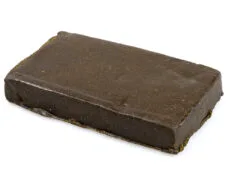
Max CBDCHARAS
CBD HASH | CBD<45%
Starting from:FLASH SALE -10%
0,90€0,80€/gGrams5 10 20 50 100 200 -
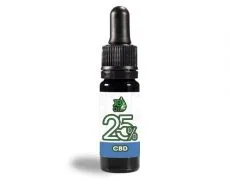
JB OIL 25%Starting from: 14,90€
CBD Oil 25%
At Justbob, every product and every batch placed on sale is analysed on an ongoing basis. The relevant lab documentation is available inside each available product page, so customers can check the product, the batch and the reported values in one place. That is part of a commitment to quality, transparent controls and product safety checks, not a vague decorative promise.
That is also why aromatic hemp flowers deserve precise language. The phrase aromatic hemp flowers should point to scent notes, terpene vocabulary and product-page context, not to old unsafe search habits. For Justbob, aromatic hemp flowers are best read beside batch information and clear product descriptions.
Search results sometimes mix this topic with old folklore pages and unrelated how-to angles. This article stays with aroma vocabulary and product documentation. No detours, no routine advice, no old folklore logic sneaking in through the side door.
What aromatic CBD hemp really means
When people talk about aromatic CBD hemp, they are usually describing the scent of the dried hemp flower rather than a separate product category. The word aromatic simply points to noticeable fragrance: earthy, floral, woody, citrus, resinous, sweet, fresh or herbal.
That may sound simple, but it is useful. Aroma gives a first sensory clue before the technical details begin. If a product page describes lemon, pineapple, cheese, pine or spice notes, it is usually trying to translate a complex botanical smell into ordinary language. The important thing is not to over-read the description. A lemon note does not mean the flower contains lemon. A sweet note does not mean sugar. A woody note does not mean the plant grew next to a forest with excellent taste in furniture. These are scent comparisons, the same way perfume notes use familiar words to describe what the nose detects.
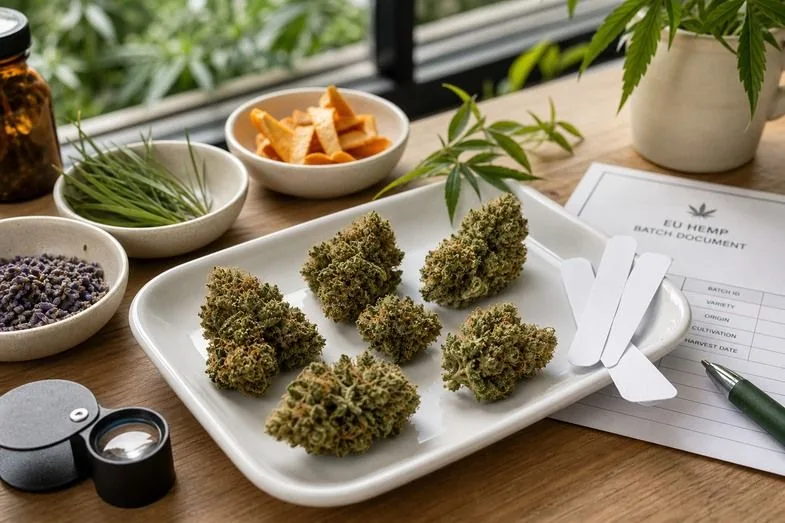
For CBD hemp flowers, aroma also sits beside visual cues. A compact bud, visible resin, a tidy trim and a clear product page all help create context. The aroma note is one clue in the notebook, not the whole investigation.
Read also: Hemp Flower Aroma And Texture: What To Notice – Justbob
Terpenes and the scent families of CBD hemp
Terpenes are aromatic compounds produced by many plants. They are part of the reason citrus peel smells bright, pine needles smell sharp and some herbs smell green, peppery or floral. In hemp flower, terpenes help explain why two CBD hemp flowers with similar CBD content may smell noticeably different.
The common scent families are easy to picture. Citrus notes often sit around words like lemon, lime or orange peel. Floral notes may feel softer and lighter. Woody notes can seem dry and warm. Resinous notes feel deeper, sometimes almost balsamic. Earthy notes are more grounded, like dry leaves or soil after a warm afternoon. This does not mean the aroma profile is an outcome claim. It is a botanical description. A CBD flower can smell rich or sweet without promising anything beyond that scent profile.
Research on cannabis phytochemistry also shows why aroma can be complex. A PubMed Central review on cannabinoids and terpenes describes terpenes as plant molecules connected with flower aroma, including compounds such as caryophyllene, limonene and linalool. In simple terms, the smell is not one note. It is a small orchestra, sometimes disciplined, sometimes a little jazz.
For a product page, the useful job is translation. Instead of listing only compounds, the page may say citrus, fruity, herbal or resinous. The best descriptions keep that translation honest and connected to product documentation.
Freshness, curing and storage as aroma clues
Aroma can also provide clues about product handling, though it should still be read with caution. Freshness, curing and storage influence how a hemp flower presents itself. A flower stored away from excess light, air and humidity is more likely to maintain a clean scent profile.
Curing is part of the post-harvest handling of hemp flower. It helps the flower settle after drying and can influence aroma clarity. Too much moisture can create problems; too much dryness can flatten the scent. The useful middle ground is careful handling, not romantic language. This is where quality control matters again. A pleasant aroma is welcome, but the product page should still support it with clear information. Justbob makes lab documentation available inside every available product page, and those batch-level checks are more reliable than a beautiful adjective on its own.
Think of aroma like the first line of a story. It can make you curious, but you still need the rest of the page. Batch data, CBD content, THC information, third party checks and product details are the chapters that follow.

Why aroma is not a promise
Aroma language can become slippery if it is written carelessly. Soft lifestyle words may appear in search results, reviews or competitor pages, but they can push the reader toward expectations that a product description should not create. For this article, the clean rule is simple: scent is scent. A floral aroma is not a claim about mood. A citrus note is not a claim about energy. A resinous profile is not a claim about strength. The description should help the reader recognise the flower, not suggest an outcome.
The same applies to strain labels such as Indica, Sativa or Hybrid. They can appear in wider cannabis vocabulary, but they are not a shortcut for promised results. In a CBD shop context, the safer and more useful approach is to focus on visual identity, aroma notes, CBD content, THC threshold information and lab documentation.
If a page mentions less than 0.3% THC, or below 0.3%, or 0.3% THC, consider that a documentation point, not an aroma point. The nose cannot verify a percentage. Numbers belong in certificates and lab reports. This distinction keeps the tone honest. It also makes the article more pleasant to read, because the reader is not being nudged with exaggerated language. No mystical fog, no wink-wink promises, just a clear way to understand scent.
How to read product descriptions without getting lost
A good CBD hemp flower description should give the reader a wide range of useful details without overloading the page. Aroma, flower appearance, batch information, CBD content, THC information, stock status and price all play different roles.
Reviews can be useful for understanding how customers talk about aroma, but they should not replace official product information. A review might say a flower smells sweet or fresh. The product page should show the details that can be checked. This is where the phrase premium CBD needs care. Premium hemp or premium CBD language sounds nice, but it should be backed by information. At minimum, look for clear batch documentation, lab reports, consistent product descriptions and visible quality checks.
The best CBD page is not the one with the loudest adjectives. It is the one that makes comparison easy. The reader should be able to find what is sold, which batch it belongs to, what the main values are and how the aroma is described. For anyone browsing CBD flower, aroma can be a friendly starting point. The final choice should still come from the full product page, not from scent vocabulary alone.
Read also: All types of marijuana light | Justbob
CBD flower, CBD hash and the resin connection
Hemp flowers and CBD hash are different product forms, but they share a useful botanical idea: resin matters. In hemp flower, aromatic compounds and cannabinoids are closely linked to the resinous parts of the plant, especially around trichomes. That does not mean the two products should be confused.
CBD hemp flowers keep the visible flower structure. CBD hash is a resin-focused format with its own texture, colour and handling logic. The connection is botanical, not interchangeable. This is why scent words often overlap. Resinous, earthy, floral and spicy notes can appear when people describe flowers, hash or even broader hemp-derived aromatic profiles. The vocabulary travels because the plant chemistry is related.
This overlap can be useful when it is kept modest. It helps readers understand why aroma, resin and visible flower quality often appear in the same conversation. It becomes less useful when every scent note is inflated into a grand claim.
Final notes before choosing by scent
Aroma can make CBD hemp flowers more memorable. It can suggest citrus, lemon, fruity, sweet, woody, earthy or resinous notes. It can help the product page feel less abstract and more concrete. That is already enough work for one sense. The better habit is to combine scent language with documentation. Read the description, check the batch, look at the lab report and notice whether the page explains itself clearly. A commitment to quality is strongest when the proof is easy to find.
JustBob keeps that proof close to the product. The analyses for all available products and batches are available inside the relevant product pages, so aroma, flower identity and lab information can be read together. That is the calmer, cleaner way to compare CBD hemp flowers. If the scent note makes you curious, let it open the door. Then let the product page, batch analysis and quality checks tell you whether the rest of the room is in order.
🌿At Justbob, you can explore a range of CBD products, including CBD hemp flowers, CBD hash, CBD oils and other hemp-derived formats, with product information and documentation available directly on each product page. Discover our selection and find the format that best matches your browsing preferences.
Frequently asked questions about hemp flower aroma
What makes hemp flowers aromatic?
Hemp flowers are aromatic mainly because of volatile compounds such as terpenes and terpenoids. These compounds can create citrus, floral, woody, earthy, sweet or resinous scent notes.
Are aroma notes the same as product claims?
No. Aroma notes describe scent, not personal outcomes. A product page should use aroma language to explain the flower profile, while lab documents support batch and quality information.
Why do hemp flowers have different scents?
Different scents can come from genetics, terpene profile, maturity, drying, curing and storage conditions. That is why two CBD hemp flowers may look similar but smell quite different.