
Modified on: 23/07/2026
A flower page is clearer when the lot is clear
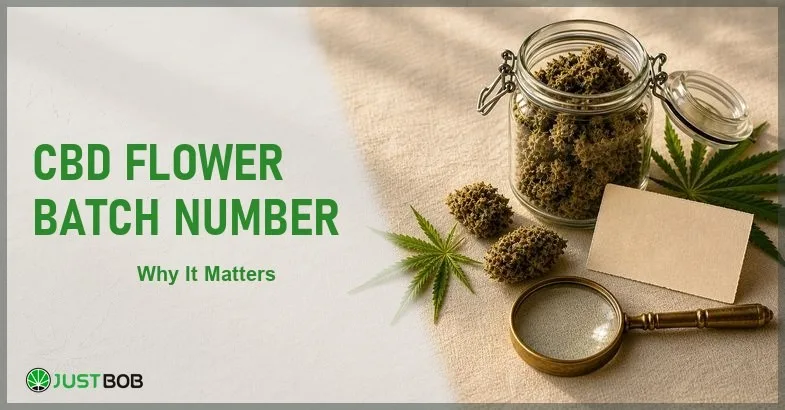
A CBD flower batch number is the humble little bridge between a product photo and the document behind it. On a flower listing you see the buds, the variety name and a percentage, and somewhere nearby sits a short code that most readers skip. That code is what ties the exact jar you are looking at to its own paperwork. This Justbob guide explains what a flower batch number is, how it connects a product page to a specific lot, and how to use it without reading more into it than it carries.
-
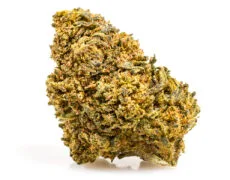
 Max CBDAMNESIA CBD BOOSTStarting from: 0,85€/g
Glasshouse | CBD<40%
Grams5 10 20 50 100 200 400 -
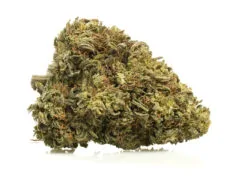
Max CBDAK47 CBD BOOSTStarting from: 1,45€/g
Indoor | CBD<47%
Grams5 10 20 50 100 200 -
Max CBDCHARAS
CBD HASH | CBD<45%
Starting from:FLASH SALE -10%
0,90€0,80€/gGrams5 10 20 50 100 200 -
JB OIL 25%Starting from: 14,90€
CBD Oil 25%

It comes down to traceability, plain and simple. Once it clicks, you can spot a batch code on a flower listing, find the matching document, and confirm the two describe the same lot.
What a CBD flower batch number means
A flower batch number (also called a lot number or batch code) marks one harvest-and-packaging run of a particular variety. Every jar from that run carries the same code, which is how a producer keeps each lot tied to its own records. It is an identity tag, not a description of the buds.
Honestly, the friendly way to think about it is administrative rather than decorative. The code does small but important admin: it keeps the right document attached to the right lot. Skip it and a product page is just pictures; read it and the page becomes traceable.
The batch code and the product page
A flower product page usually shows a photograph of the buds, the variety name, an indicative CBD percentage and the batch code. The photograph and the variety tell you what kind of flower this is. The batch code tells you which specific run this jar came from, which is the detail you need when you want the document behind it.
Here is where the catalog link comes in. The CBD flower listings each carry their own batch documents, so the code on the page is meant to lead somewhere. Variety names the type; the batch code names the lot.
Photos, labels and documents
The habit that matters is a three-way match. The batch code shown on the listing should match the code on the jar label, and both should match the code on the certificate of analysis for that lot. When the three agree, the photo, the jar and the document all belong together.
When they do not, something is describing a different run. A certificate without a matching batch code cannot confirm the jar in front of you, however neat its figures look. The code is what keeps the photo honest.
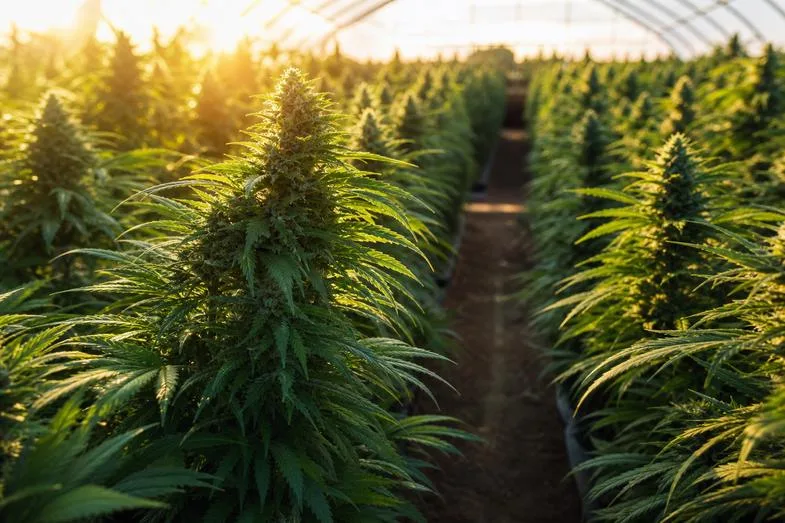
Read also: CBD Flower Packaging: Labels And Batch Codes
The rise of product identity codes
Coding a product so it can be traced is a fairly modern habit. In June 1974, a pack of Wrigley chewing gum became the first retail item scanned with a barcode, at a supermarket in Troy, Ohio. The barcode, developed into the GS1 system that followed, turned product identity into something a machine could read and a record could follow.
That background gives the humble flower batch code a recognisable family tree. When a 2026 listing prints a lot number that matches a document, it is using the same basic idea: give each run a readable identity so the right record stays attached. The code is small, but the principle is well settled.
What changes from one lot to the next
Lot-level checking matters because flower is a plant product, and runs vary. Two batches of the same variety can differ slightly in appearance or cannabinoid reading, which is exactly why each run carries its own document. The batch code is what lets a reader tie the right figures to the right jar rather than to the variety in general.
The testing side of the page works the same way. For more on what the checks behind a flower lot actually show, our guide on CBD Flower Lab Testing: What the Checks Show covers the analysis that the batch code points toward.
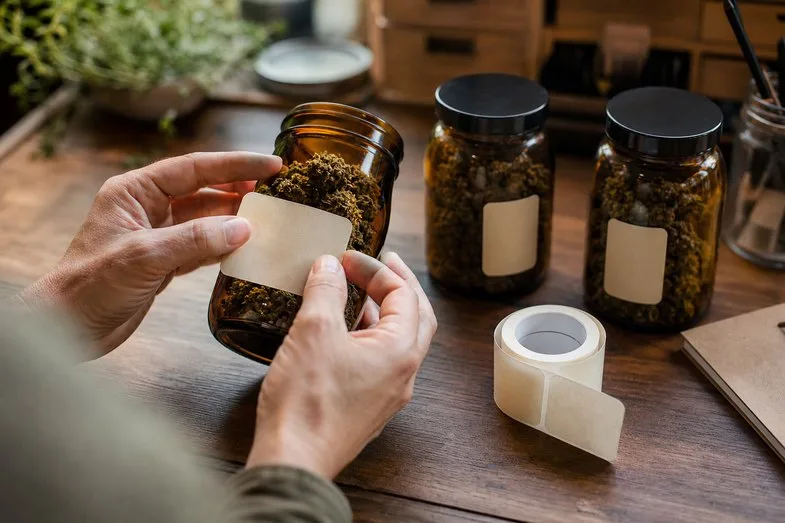
Read also: CBD Flower Certificates: What To Read First
Where the batch code stops
A batch code has clear limits. It is an identifier, so it points to documents; it does not describe an aroma, a grade or a result. A long or official-looking code is not a quality promise, and on its own it says nothing beyond which run a jar belongs to.
So the plain reading keeps its claims small. The code earns its keep by connecting a jar to its certificate. The cannabinoid figures, the registered variety and the compliance reading all live in the document the code points to, not in the code itself.
Flower lots, listed and documented
Each commercialised product at Justbob is analysed, batch by batch. Each product page carries its own documents. A reader who wants to confirm the registered variety or the cannabinoid breakdown for a specific lot can open the certificate of analysis without going anywhere else.
Every flower listing sits inside the EU industrial hemp framework, produced by EU producers from registered hemp varieties, with THC kept at or below the 0.3 percent threshold harmonised at European level. Hemp flower is offered for technical, scientific and ornamental purposes only. Within that frame, the batch number is read as a traceability tag that connects a jar to its document.
A quick three-way match for flower lots
Matching a lot is a quick job. Find the batch or lot code on the listing. Check that it matches the code on the jar label. Open the certificate of analysis and confirm the same code appears there. Then read the cannabinoid figures and the THC reading knowing they belong to your exact lot. Once the code is easy to spot, the whole match is fast.
For official background on how hemp is defined in agriculture, the European Commission page on hemp works as a neutral outside reference, separate from the catalog and from any single listing.
Frequently asked questions about cbd flower batch number
What is a CBD flower batch number?
A CBD flower batch number (also called a lot number or batch code) is a short identifier that marks one harvest-and-packaging run of a variety. Every jar from that run shares the same code, which lets a producer keep the jar connected to the laboratory document for that specific lot. It is an identity tag rather than a description of the buds, so its job is to point at the certificate of analysis that carries the cannabinoid figures and the THC reading.
Where are Justbob documents found?
On the Justbob catalog, the relevant documents sit inside each commercialised product page, so the certificate of analysis for a specific lot can be opened without leaving the listing. The quickest check is to match the batch code on the listing and the jar to the batch code on the certificate, then read the cannabinoid figures against the label.
Can a batch code replace a lab report?
No. A batch code is only an identifier; it points to the lab report but does not contain it. The certificate of analysis is where the cannabinoid figures, the THC reading against the 0.3 percent threshold and the registered variety actually live. The code’s job is to make sure you are reading the report that belongs to your specific lot.