Modified on: 02/08/2026
History notes without turning research into product claims
CBD research history is clearest when read with a pencil in hand and a little humility about what a blog page can say. It is a story of dates, names and discoveries, and it is genuinely interesting, but it is also easy to misread. This guide approaches the subject as source literacy: how to follow a research timeline, why the dates matter, and where the line sits between a historical milestone and a claim about any product.
-
 Max CBDAMNESIA CBD BOOSTStarting from: 0,85€/g
Glasshouse | CBD<40%
Grams5 10 20 50 100 200 400 -
Max CBDAK47 CBD BOOSTStarting from: 1,45€/g
Indoor | CBD<47%
Grams5 10 20 50 100 200 -
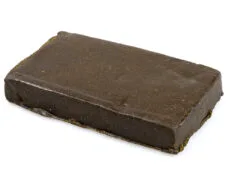
Max CBDCHARAS
CBD HASH | CBD<45%
Starting from:FLASH SALE -10%
0,90€0,80€/gGrams5 10 20 50 100 200 -
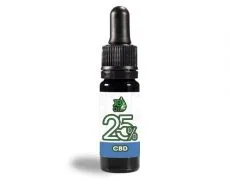
JB OIL 25%Starting from: 14,90€
CBD Oil 25%
The scene is an archive desk, with old papers and older headlines spread out. Many of those headlines were written to grab attention, not to be precise. The job here is to put a date next to each one and a calmer set of words around it, and to remember what a product page is and is not allowed to do.
What CBD research history means
CBD research history is the timeline of how the compound came to be known: when it was first isolated, when its structure was worked out, and how the wider study of hemp developed over the following decades. Read carefully, it is a chemistry and regulation story, a record of names and years.
What it is not is a product-claim story. A timeline can tell you when something was discovered without telling you anything a product is allowed to claim, and keeping those two ideas apart is the whole discipline of reading this history well.
The timeline as vocabulary
A few dates anchor the timeline. In 1940, Roger Adams, Madison Hunt and J. H. Clark reported cannabidiol isolated from hemp extract, one of the first times the compound was separated and named. In 1963, Raphael Mechoulam and Yehiel Shvo described the structure of cannabidiol. These are milestones in chemistry: facts about a molecule being identified and mapped.
Read as vocabulary, those entries are useful and safe. They tell you when a name entered the scientific record, which is a very different statement from any claim about what the compound might do.
The timeline continued well past those dates. Through the later twentieth century hemp was studied more widely, and in Europe its varieties were catalogued and brought into a common framework, which is the part of the history a modern product page actually rests on. Even then, each step stays a date in a record, never a verdict about a person.

Read also: What Is CBD Isolate? A Simple Guide To This Extract Format
Why source dates matter
A date is the first thing to look for, because an undated claim is hard to trust. Research understanding changes over time, regulation changes faster still, and a sentence that was written decades ago may describe a world that no longer exists. Pinning each statement to a year, and to who said it, is how a reader keeps old material in perspective.
The same goes for the research and product vocabulary itself. Knowing how the language has shifted, for instance the modern distinction in product terms set out in our guide to cannabinoid terminology, helps a reader notice when an old source is using words in an outdated way. A careful reader, in short, looks at the date before the headline, every single time.
Research history is not a product claim
This is the line that matters most. A research milestone is an event in a laboratory or a library; a product claim is a statement about what an item does for a person. The history can be told in full without ever crossing into the second kind of statement, and a responsible page keeps firmly on the first side of that line.
So when this article mentions a discovery, it is reporting a date in the record, nothing more. It is not saying that anything was proven about any use, and it is not turning a chapter of chemistry into a reason to buy a product. The history can be enjoyed for its own sake, with no shopping list attached to it.
From research to a product page
A product page does not lean on research history at all. What describes a CBD oil is its own label and its own certificate of analysis: the cannabinoid figures, the THC reading against the 0.3 percent threshold harmonised at European level, and the batch identity. The history is background reading, not part of the product’s description.
That separation is deliberate. A page earns trust through its current documents, not through a story about the past, and the documents are the only thing a careful buyer needs to check. A discovery from decades ago, however interesting, simply has no part in that check.

Read also: What is CBD Oil?
What this article avoids
To stay on the right side of that line, this page leaves several things out on purpose. It does not summarise individual papers and it makes no claim about what any product does. None of that belongs in a source-reading history, and none of it is something a blog page is the right place for.
So the timeline is offered as reading, not as guidance. For the primary research itself, PubMed Central, a database of scientific research is where the original sources live, dated and citable, which is the kind of reference this article points towards.
Reading research history on a Justbob page
On Justbob, history sits in the blog, where it belongs, and the product pages stay focused on documents. Every commercialised product is analysed and each batch is checked, with the certificate of analysis kept inside the product page, so a buyer reads current records rather than old stories.
Every product sits inside the EU industrial hemp framework, with THC kept at or below the 0.3 percent threshold harmonised at European level. The products are offered for technical, scientific and ornamental purposes only, and research history stays exactly where it should: as interesting background, read with a pencil and a sense of proportion.
Frequently asked questions about cbd research history
What does CBD research history cover?
It covers the timeline of how cannabidiol came to be known: when the compound was first isolated, when its chemical structure was described, and how the study and regulation of hemp developed over the following decades. Read as source literacy, it is a record of dates, names and discoveries. It is a chemistry and regulation story rather than a product-claim story, and it is clearest when each statement is tied to a year and a source.
Does it turn history into product claims?
No. A research history reports milestones and dates; it does not claim that anything is proven about what a product does. This article avoids individual paper summaries, because a blog timeline should stay with dates, names and source context. A historical date is never a statement about a product.
Why do source dates matter?
Because research understanding and regulation both change over time, and an undated claim is hard to place. Pinning each statement to a year and to who made it lets a reader judge whether a source is current or out of date. It is the simplest tool of source literacy, and it keeps old headlines from being read as if they were written today.