
Published on: 06/02/2026
Resin production is the tangible result of plant chemistry, where trichomes, cannabinoids, terpenes and cultivation practices converge
Anyone who has ever handled high-quality CBD buds, even purely for technical or collection purposes, has probably noticed it immediately: some flowers feel dry and compact, while others leave a clear resinous sensation on the fingers, almost as if the plant itself were trying to tell a deeper story through touch.
That sticky texture is not a coincidence, nor is it simply a sign of freshness or recent harvesting. It is the visible and tactile result of a complex biochemical process that involves plant genetics, environmental conditions, cultivation techniques, and, above all, the intricate chemistry that makes the cannabis plant such a fascinating botanical subject.
-
 Max CBD
AMNESIA CBD BOOST
Starting from: 0,85€/gGlasshouse | CBD<40%
Grams5 10 20 50 100 200 400 - Max CBD
AK47 CBD BOOST
Starting from: 1,45€/gIndoor | CBD<47%
Grams5 10 20 50 100 200 - Max CBD
CHARAS
CBD HASH | CBD<45%
Starting from:EASTER SALE - 15%
0,90€0,75€/gGrams5 10 20 50 100 200 -
JB OIL 25%
Starting from: 14,90€CBD Oil 25%
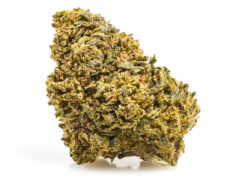
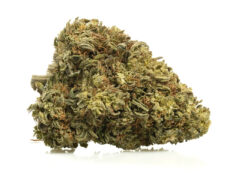
In recent years, curiosity around these details has increased significantly. Consumers, collectors, and enthusiasts are no longer satisfied with surface-level descriptions or generic labels; they want to understand what differentiates one inflorescence from another, why certain cannabis varieties are more aromatic, more visually appealing, or more resinous to the touch. Stickiness, in this sense, has become an informal but powerful indicator of perceived quality, even though it is often misunderstood or oversimplified.
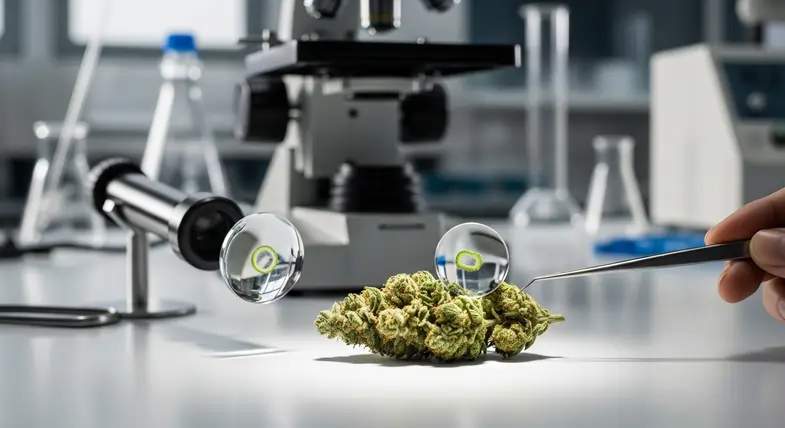
This guide is designed to take a closer, more informed look at why some cannabis buds are sticky and others are not, moving beyond myths and shortcuts to explore the real mechanisms at work inside the plant. By analyzing the role of trichomes, cannabinoids, terpenes, cultivation environments, and post-harvest handling, we can better understand how that sticky feeling develops and what it actually tells us about the flower in question.
Trichomes and resin: the real source of stickiness
The primary reason some cannabis buds feel sticky lies in the microscopic structures known as trichomes, which are responsible for producing and storing the resin that coats the surface of the flowers. Trichomes are tiny, glandular appendages that develop on the female inflorescences of the cannabis plant, and their function goes far beyond aesthetics. From a botanical standpoint, they serve as a defense mechanism, protecting the plant from UV radiation, pests, and environmental stressors, while also playing a key role in reproduction.
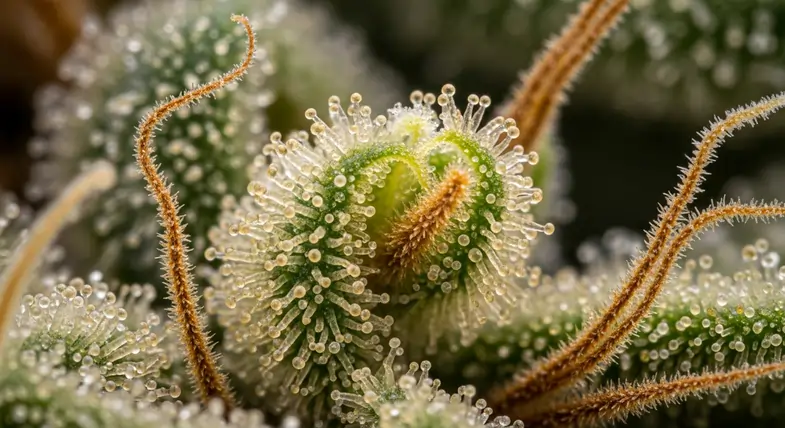
In high-quality CBD flowers, these trichomes are often abundant and well-developed, appearing under magnification as small, mushroom-shaped glands with a translucent or milky head. Inside those heads is where the magic happens: a complex mixture of cannabinoids, terpenes, flavonoids, and waxes that together form what we commonly call resin. The sticky sensation on the fingers is essentially the physical expression of this resin layer, especially when trichomes are intact and not overly degraded.
It is important to note that not all trichomes contribute equally to stickiness. Capitate-stalked trichomes, which are larger and more numerous on the buds themselves, are the main producers of resin, while smaller bulbous or sessile trichomes play a more marginal role.
When a flower feels particularly tacky, it usually means that these capitate-stalked trichomes are present in high density and are rich in resinous compounds, including CBD in the case of CBD-rich cannabis varieties.
This is one of the reasons why visually frosty buds, often described as “sugar-coated,” tend to feel sticky as well. The visual sparkle and the tactile sensation are two sides of the same phenomenon.
Read also: 7 surprising facts about cannabis you probably didn’t know
Cannabinoids, terpenes, and the chemistry behind the texture
While trichomes are the physical structures responsible for resin production, the chemical composition of that resin determines how sticky a bud actually feels. Resin is not a single substance but a complex, dynamic matrix made up of different molecules, each contributing specific properties. Among these, cannabinoids and terpenes play a central role, both individually and through their interaction.
In CBD cannabis, cannabidiol is the predominant cannabinoid, and although it is not psychoactive, it has a relatively viscous molecular structure that contributes to the density and consistency of the resin.
When CBD is present in high concentrations within well-developed trichomes, it adds to the overall stickiness of the flower, especially when combined with natural plant waxes and lipids. This is why some varieties feel almost oily to the touch, even when properly dried.
Terpenes, on the other hand, are volatile aromatic compounds responsible for the plant’s scent profile, but they also influence texture. Certain terpenes, such as myrcene or limonene, have slightly oily characteristics and can enhance the sticky sensation when present in significant amounts. A terpene-rich flower will often feel more resinous, not only because of cannabinoid content but because terpenes help keep the resin semi-fluid rather than brittle.
The interaction between cannabinoids and terpenes is particularly interesting from a chemical perspective. These compounds are synthesized together within the trichomes, and their relative proportions depend on genetics, environmental factors, and plant maturity. When this balance is optimal, the resin remains pliable and adhesive, which translates into that unmistakable sticky feel. Conversely, when terpenes evaporate due to improper drying or storage, even a cannabinoid-rich flower can feel dry and crumbly, despite having started with excellent resin production.
This is why, in technical evaluations of legal weed products, texture is always considered alongside aroma and visual appearance. A sticky bud with a strong, well-preserved terpene profile often indicates careful handling and minimal degradation, aspects that are central to the quality standards promoted by established operators in the CBD market.
Genetics, cultivation methods, and environmental influence
Beyond chemistry, genetics play a decisive role in determining how sticky a cannabis bud can become.
Different cultivars have different propensities for trichome production, resin density, and chemical output. Some strains, even when grown under similar conditions, naturally produce more resin than others, resulting in consistently stickier flowers. This genetic predisposition is one of the reasons why certain varieties are particularly sought after by collectors and connoisseurs.
Cultivation methods amplify or limit this genetic potential. Indoor-grown cannabis, for example, often exhibits higher stickiness due to the controlled environment in which it develops. Precise regulation of light cycles, temperature, humidity, and nutrient availability allows the plant to focus energy on trichome production, leading to resin-rich buds. Greenhouse and outdoor cultivation, while capable of excellent results, introduce more variables, such as weather fluctuations and UV exposure, which can either enhance or reduce resin output depending on how they are managed.
Environmental stress, when carefully controlled, can actually increase stickiness. Mild stressors, such as slight temperature variations or increased UV light, can trigger the plant’s defense mechanisms, encouraging greater trichome production. However, excessive stress has the opposite effect, compromising plant health and reducing resin quality. This delicate balance is part of what separates artisanal, high-quality CBD weed cultivation from mass-produced, inconsistent results.
Nutrient management also plays a subtle but important role. Adequate levels of potassium and phosphorus, especially during the flowering phase, support resin synthesis, while deficiencies can lead to underdeveloped trichomes.
Harvest timing, drying, and curing: preserving stickiness
Even the most resin-rich cannabis plant can lose its stickiness if harvested too early, too late, or handled improperly after cutting. Harvest timing is crucial because trichomes change over the course of flowering, both in appearance and chemical composition. When harvested at optimal maturity, trichomes are full of cannabinoids and terpenes, resulting in maximum resin content and a pronounced sticky texture.
If harvesting occurs too early, trichomes may be underdeveloped, containing less resin and fewer active compounds, which translates into drier, less aromatic buds. If it happens too late, degradation processes begin, terpenes evaporate, and cannabinoids oxidize, leading again to a loss of stickiness.
Drying and curing are equally important and often underestimated. Rapid drying at high temperatures may prevent mold, but it also causes terpenes to evaporate too quickly, leaving behind a dry surface. Slow, controlled drying, followed by proper curing, allows moisture to redistribute within the bud while preserving the resin layer on the outside. This is why well-cured flowers often regain a slight tackiness when gently handled, even weeks after harvest.
Curing, in particular, is where texture truly stabilizes. During this phase, enzymatic processes break down residual sugars and chlorophyll, improving aroma and smoothness while allowing the resin to settle into a balanced, stable state. From a technical perspective, this process is essential not only for sensory quality but also for long-term preservation. Properly cured CBD cannabis maintains its chemical profile and tactile characteristics far better over time, which is why reputable sellers emphasize post-harvest handling as much as cultivation itself.
What stickiness really tells us about cannabis light quality
It is tempting to assume that sticky cannabis buds are automatically “better,” but the reality is more nuanced. Stickiness is a meaningful indicator, but only when interpreted in context. In CBD flowers, where psychoactive effects are not the focus, stickiness primarily reflects resin preservation, trichome density, and chemical richness, rather than potency in the traditional sense associated with high-THC products.
A sticky bud suggests that the flower has been grown from a genetically resinous cultivar, harvested at the right moment, and handled with care throughout drying, curing, and storage. It often correlates with a richer aromatic profile and a more visually appealing appearance, both of which are important for collectors and for those interested in the botanical qualities. However, excessive stickiness combined with a damp feel can also indicate improper drying, which is why texture must always be evaluated alongside smell, structure, and moisture balance.
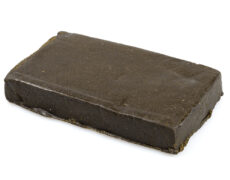
In the context of legal hash and other CBD-derived products, the concept of stickiness becomes even more directly linked to resin content, since these products are essentially concentrated expressions of the same trichome chemistry. Understanding why buds are sticky helps demystify these derivatives as well, connecting the raw flower to its processed forms through a shared biochemical foundation.
For informed consumers navigating the expanding CBD market, recognizing these signs is part of developing a more critical and educated approach.
Read also: Cannabis Alkaloids Uncovered: The Hidden Chemistry of the Hemp Plant
From plant chemistry to informed appreciation
When we look closely at why some cannabis buds are sticky, we uncover a story that goes far beyond surface impressions. Stickiness is the tangible outcome of trichome development, cannabinoid and terpene synthesis, genetic potential, cultivation choices, and careful post-harvest handling. It reflects a plant that has been allowed to express its chemistry fully and a production process that respects the delicate balance of compounds responsible for resin formation.
In the world of CBD products, this understanding adds depth to the way we evaluate and appreciate flowers. Rather than relying on simplistic cues or marketing claims, informed observers can interpret texture as one of several interconnected quality indicators, each rooted in plant biology and chemistry. This perspective aligns with a more mature, transparent approach to cannabis, where knowledge replaces hype and curiosity drives responsible engagement.
For those who want to explore these qualities firsthand, taking the time to examine different CBD cannabis varieties can be an enlightening experience, especially when sourced from a platform that prioritizes quality, compliance, and clear information. If you’re curious to see how these principles translate into real products, you can always take a look at the curated selection available on JustBob, where certified inflorescences and technical CBD products showcase the full spectrum of what careful cultivation and plant chemistry can offer.
Sticky cannabis buds: takeaways
- The sticky texture of cannabis buds is the direct, tangible result of resin produced by trichomes, especially the capitate-stalked ones that concentrate cannabinoids, terpenes, waxes, and lipids on the flower surface; when these structures are abundant, intact, and well preserved, visual “frostiness” and tactile stickiness naturally go hand in hand.
- Stickiness is shaped by plant chemistry rather than freshness alone, since the interaction between cannabinoids (such as CBD) and terpene profiles determines how dense, pliable, or adhesive the resin feels; terpene loss through poor drying or storage can leave even resin-rich flowers dry and crumbly, while well-preserved aromatic compounds help maintain a resinous, slightly tacky texture over time.
- Genetics, cultivation practices, and post-harvest handling all converge in defining stickiness, meaning that a sticky CBD bud usually reflects a resin-prone cultivar, controlled environmental conditions, correct harvest timing, and careful drying and curing, making texture a useful indicator of resin preservation and overall botanical quality, but only when interpreted together with aroma, structure, and moisture balance.
Sticky cannabis buds: FAQ
Why do some cannabis buds feel sticky to the touch?
Sticky cannabis buds are usually the result of abundant, intact trichomes producing and storing resin on the flower surface. That resin is a complex mix of cannabinoids, terpenes, plant waxes, and lipids, and when trichome density is high and the resin remains well preserved, the bud leaves a tacky, resinous sensation on the fingers.
Do cannabinoids and terpenes affect how sticky a CBD bud feels?
Yes. While trichomes are the structures that make resin, the resin’s chemistry determines the texture. High CBD content can contribute to a denser, more viscous resin, and terpene-rich flowers often feel more resinous because some terpenes have slightly oily characteristics that help keep the resin semi-fluid rather than brittle. If terpenes evaporate due to poor drying or storage, buds may feel drier even when trichomes were initially abundant.
Can harvesting, drying, and curing change bud stickiness?
Absolutely. Harvest timing influences trichome maturity and the balance of cannabinoids and terpenes, which affects resin content and texture. Drying too quickly or at high temperatures can accelerate terpene loss and reduce the resin’s tackiness, while slow, controlled drying followed by proper curing helps preserve aroma and stabilizes the resin layer, often maintaining or restoring a gentle stickiness over time.