Published on: 10/10/2026
CBG vs CBD: two cannabinoids that get mixed up more than they should
Three letters apart on the label, and yet CBG and CBD are constantly treated as interchangeable. They are not. One is often called the mother of the others, the second is the one everybody already knows by name, and the difference between them is a small, elegant piece of plant chemistry worth getting right.
-
 Max CBDAMNESIA CBD BOOST
Glasshouse | CBD<40%
Starting from:FLASH SALE -10%
0,85 €0,75 €/gGrams5 10 20 50 100 200 400 -
Max CBDAK47 CBD BOOSTStarting from: 1,45 €/g
Indoor | CBD<47%
Grams5 10 20 50 100 200 -
Max CBDCHARASStarting from: 0,90 €/g
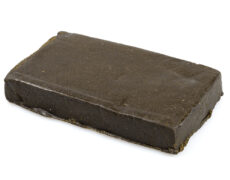
CBD HASH | CBD<45%
Grams5 10 20 50 100 200 -
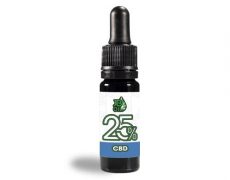
JB OIL 25%Starting from: 14,90 €
CBD Oil 25%
This guide keeps things structural rather than promotional: what each cannabinoid is, how their molecules differ, where they sit in the plant, and how both show up on a certificate of analysis. A note first, this explains chemistry and does not make health claims, and cannabinoids are discussed here purely in terms of composition.
What CBG and CBD actually are
Both CBG, cannabigerol, and CBD, cannabidiol, are cannabinoids found in the hemp plant, and both are non-intoxicating, which already sets them apart from THC. Neither produces the effect associated with recreational cannabis, and both are perfectly ordinary constituents of compliant hemp.
Where they differ is abundance and role. CBD is the headline cannabinoid in hemp bred for it, present in generous amounts in the flower. CBG usually appears in much smaller quantities in a mature plant, which is a clue to the more interesting story underneath.
Both are non-intoxicating cannabinoids; the real difference is chemistry and quantity, not experience.
Read also: Cannabis And The Entourage Effect
Why CBG is called the mother cannabinoid
Here is the elegant part. In its acidic form, CBGA, cannabigerolic acid, is the precursor from which the plant builds its other major cannabinoids. Enzymes convert CBGA into the acidic forms of THC, CBD and CBC as the flower matures. In other words, much of the CBG a plant makes early on is spent becoming something else.
That is why mature, CBD-rich flower usually shows only a little CBG left: most of the raw material has already been converted. Growers who want a CBG-rich result often harvest earlier or choose varieties bred to hold onto more of it, a genuine agronomic decision rather than a marketing flourish. The wider family of CBG as a cannabinoid is worth a look for anyone curious about that lineage.
The molecular difference
CBG and CBD are distinct molecules with different structures, which is why the plant treats them as separate products of the same pathway. They share the same origin in CBGA but end up arranged differently, and that arrangement is what a laboratory measures when it tells them apart.
You do not need a chemistry degree to hold the idea. Think of CBGA as a single blank key that the plant can cut into several different shapes. CBG is the uncut key; CBD is one of the shapes it becomes. Same metal, different final form.
How they show up on a certificate of analysis
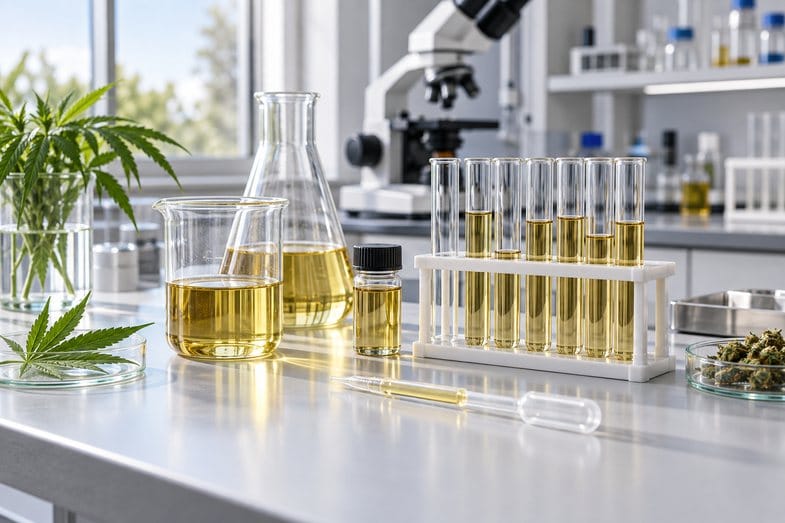
This is where the difference stops being abstract. A proper batch report, a certificate of analysis, lists cannabinoids individually, so CBD and CBG appear as separate lines with their own percentages, alongside the all-important THC figure.
Reading that document is the single most useful habit a buyer can build. The strain name on the front tells you a story; the certificate on the back tells you the composition. For compliant hemp the THC line must sit under the legal ceiling, and the CBD and CBG lines simply describe what is present.
The label sells the name, but the certificate of analysis is where CBG and CBD stop being marketing and start being numbers.
CBG vs CBD in a compliant product
In legal terms the two are treated the same way, because what matters for compliance is the plant and its THC content, not which minor cannabinoid a product highlights. Hemp grown from EU Common Catalogue varieties and kept under the harmonised 0.3 percent THC ceiling is treated as an agricultural crop, as the European Commission page on plant variety catalogues explains.
So a CBG-forward product and a CBD-forward one answer to the same rulebook, and the choice between them is about composition and aroma rather than legal category. Product type still matters downstream, which is why a CBD oil is read differently from a raw flower.
The same logic runs through the rest of the range, so our small buds selection is described by its analysis rather than its name.
CBG vs CBD, the short version
It comes down to chemistry and quantity. Both are non-intoxicating cannabinoids from hemp, with CBD abundant and CBG usually scarce. CBG, as CBGA, is the precursor the plant converts into the others, which is why little is left in mature flower. And on a compliant product both are simply lines on a certificate, governed by the same European 0.3 percent THC rule.
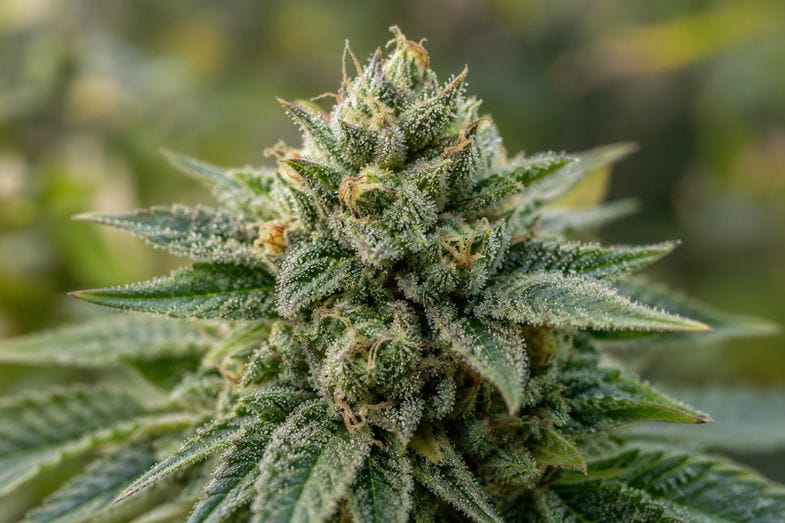
What the Justbob catalogue offers is hemp grown by EU partners from catalogue varieties, analysed batch by batch, and sold for technical and ornamental purposes.
Read also: Cannabis Active Principles: THC, CBD And CBG
Frequently asked questions about CBG vs CBD
What is the difference between CBG and CBD?
CBG, cannabigerol, and CBD, cannabidiol, are both non-intoxicating cannabinoids found in hemp, but they are distinct molecules present in very different amounts. CBD is abundant in hemp bred for it, while CBG usually appears only in small quantities in a mature plant. CBG also has a special role as a precursor, since its acidic form is what the plant converts into other cannabinoids.
Why is CBG called the mother cannabinoid?
Because its acidic form, CBGA, is the raw material the plant uses to build its other major cannabinoids. Enzymes convert CBGA into the acidic forms of THC, CBD and CBC as the flower matures, so much of the CBG made early on is spent becoming something else. That is why mature, CBD-rich flower usually contains only a little CBG.
Are CBG and CBD legal in the same way?
Yes, in the sense that legality depends on the plant and its THC content rather than on which minor cannabinoid a product highlights. Hemp grown from EU Common Catalogue varieties and kept under the harmonised 0.3 percent THC ceiling is treated as an agricultural crop. A CBG-forward product and a CBD-forward one therefore answer to the same rulebook.
How can I tell how much CBG or CBD a product contains?
Read the certificate of analysis, the batch report that lists cannabinoids individually. CBD and CBG appear as separate lines with their own percentages, alongside the THC figure, which for compliant hemp must sit under the legal ceiling. The strain name describes a tradition; the certificate describes the actual composition of that specific batch.