
Modified on: 27/07/2026
A Plain Glossary for the Two Most Famous Cannabinoids: CBD and THC
CBD and THC often appear side by side in searches, but a product label should not frame them like a dramatic debate. It should make the distinction clear. CBD vs THC is best handled as a careful vocabulary question: two cannabinoids, two names, two different roles in hemp-product language.
CBD stands for cannabidiol. THC stands for tetrahydrocannabinol. Both are cannabinoids naturally found in the cannabis plant, but they have different characteristics and roles within the plant’s chemical profile. On Justbob, transparency comes from connecting these three elements together—clear information, accurate descriptions and documented analysis.
-
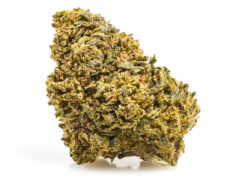
 Max CBDAMNESIA CBD BOOSTStarting from: 0,85 €/g
Glasshouse | CBD<40%
Grams5 10 20 50 100 200 400 -
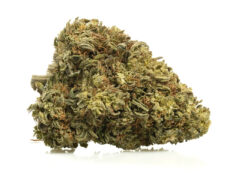
Max CBDAK47 CBD BOOST
Indoor | CBD<47%
Starting from:HALLOWEEN SALE -10%
1,45 €1,30 €/gGrams5 10 20 50 100 200 -
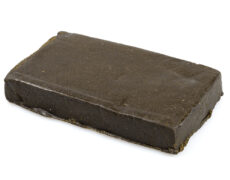
Max CBDCHARAS
CBD HASH | CBD<45%
Starting from:HALLOWEEN SALE -10%
0,90 €0,80 €/gGrams5 10 20 50 100 200 -
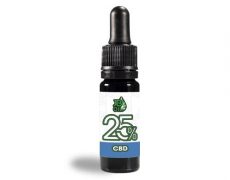
JB OIL 25%Starting from: 14,90 €
CBD Oil 25%
Think of CBD and THC as two columns in a clear product overview. One column identifies the cannabinoid that defines the category language used for many CBD products. The other refers to the cannabinoid that is closely monitored by regulators and laboratory analyses in hemp-related contexts. Readers do not need unnecessary complexity or dramatic claims. They need clear terminology, accurate labels and reliable information.
CBD vs THC in simple terms
CBD vs THC refers to the comparison between cannabidiol (CBD) and tetrahydrocannabinol (THC), two distinct cannabinoids found in the cannabis plant. The phrase is widely used because CBD and THC are among the first cannabinoid names that many readers recognise. A well-structured article should not reduce this comparison to a simple slogan or a marketing message. Instead, it should explain the difference clearly, using accurate product terminology and focusing on what each term means in the context of labels, descriptions and laboratory information.
CBD is the cannabinoid most commonly associated with CBD products, including CBD oil descriptions, CBD flower pages and CBD hash listings. THC is the cannabinoid that receives particular attention in product documentation and regulatory frameworks, especially when discussing hemp-derived products.
Both CBD and THC are naturally occurring cannabinoids found in the cannabis plant, but the context in which they are discussed matters. In Justbob the focus is on hemp products, accurate cannabinoid terminology, THC thresholds, batch-specific analysis and transparent product information.
The simplest way to read the difference is this: CBD names the product family; THC is the value that must be controlled and documented. That is a plain product-reading rule.

Read also: Cannabis Leaves vs CBD Flowers: Difference – Justbob
CBD and THC on product labels
CBD and THC usually appear on product labels because cannabinoids need clear naming. A label may mention CBD content, THC content, lot reference, product format or analysis availability. The exact format can change, but the job is the same: help the reader connect the product page to the right information.
CBD oil labels and CBD flower pages can both mention cannabinoids, but they do not always present information in the same way. A CBD oil page may focus on ingredients, bottle format and product documentation. A CBD flower page may focus on appearance, aroma, batch notes and the certificate of analysis. CBD and THC still belong in the same careful reading habit.
The label should not be asked to do the work of a lab report. A label gives key product information. A certificate of analysis gives measured details for a tested sample or lot. CBD and THC are easier to understand when the reader sees both levels: the public-facing label and the batch document behind it.
This is where boring details become genuinely helpful. Lot numbers, dates and tables may not look flashy, but they keep CBD products from floating around as vague descriptions.
The cannabis plant and cannabinoid terminology
The cannabis plant contains a wide range of natural compounds, and cannabinoids represent one important group within that profile. CBD and THC are both cannabinoids, but a well-written product page should explain their difference clearly without turning every sentence into a technical chemistry lesson. For most readers, a practical distinction is what matters most.
Cannabis sativa is also the botanical name commonly used in official hemp-related contexts. Within the European regulatory framework, hemp refers to varieties of Cannabis sativa L. with a low THC content. This is why THC thresholds play such an important role in hemp legislation and product documentation. The European Commission hemp page provides official information on hemp cultivation, import requirements and THC limits within the Common Agricultural Policy framework.
These thresholds explain why THC is mentioned so frequently in hemp product descriptions and documents. It is not included as a marketing detail or a storytelling element: THC is a measurable value that must be monitored, verified and reported through appropriate documentation. For this reason, the CBD vs THC comparison is ultimately a matter of understanding labels, product categories, regulatory limits and laboratory information. It is not about making personal promises or assumptions based solely on terminology.
Why THC thresholds matter in hemp context
THC thresholds matter because hemp-product pages need a boundary between general cannabis vocabulary and compliant hemp-related information. A responsible page should make that boundary visible without pretending to give universal legal advice for every different jurisdiction.
Within the European agricultural framework, the 0.3% THC threshold is associated with hemp eligibility, imports and certified varieties. However, this does not mean that every retail or product-related question can be answered by a single value. The European Commission also recognises that individual EU countries may apply additional restrictions in accordance with European and international regulations. For this reason, product information should always be presented carefully and accurately.
For Justbob readers, the practical focus is access to documentation. When a product is commercialised, the relevant batch analysis connected to the lot should be available from the product page.This is the appropriate source for checking measured cannabinoid information, including THC values, rather than relying on general statements or assumptions.
THC and CBD belong in a paper trail. It may sounds dull, but it is exactly what makes product information clearer, more transparent and easier to verify.
Why CBD vs THC is not a personal-results guide
CBD vs THC can attract messy search intent, so the article needs a fence around it. This is not a guide to personal experiences, sensations or individual interpretations. It is a guide to understanding product terminology. That difference matters because the safest and clearest information is the information that can be checked: cannabinoid names, THC threshold, lot number, certificate of analysis, product category and label wording. Those are concrete. They keep the article useful without drifting into claims.
This approach also makes the content clearer, more pleasant, and more trustworthy. A straightforward explanation is more useful than an exaggerated comparison. CBD and THC do not need to be presented as opposing characters in a story. They are simply names used in product information, and labels work best when they communicate facts clearly.
When a page starts suggesting that the CBD vs THC comparison can reveal more than documented information allows, the explanation has gone too far. The focus should remain on terminology, documentation and product context.
How Justbob handles cannabinoid documents
Justbob carries out constant analyses on all commercialised products and on individual batches. These analysis documents are available within each commercial product page, allowing readers to access the documentation connected to the product they are viewing.
This is particularly important for CBD and THC because they are measured values, not decorative words. A product page can explain the product family. A label can show key information. A certificate of analysis can connect the lot to tested values. Together, these elements create a clearer and more transparent product overview.
For CBD flower or CBD hash, this means the visual presentation, aroma description and analysis documentation should all complement each other. For CBD oil, the same reading habit applies: product description first, document check second, no guesswork.
That is what meaningful transparency looks like—not a long speech, but the right information available in the right place.

Read also: Marijuana active principles: THC, CBD and CBG – Justbob
A simple CBD and THC checklist
Start with the basics: CBD stands for cannabidiol, while THC stands for tetrahydrocannabinol. Then consider the product category. Is the page referring to CBD flower, CBD oil, CBD hash or another type of CBD product? Next, look for the batch or lot reference and review the available analysis documentation. These elements help connect the product description to measurable information.
It is also important to check whether the page keeps different topics separate. CBD and THC should be explained as cannabinoids. THC thresholds should be discussed through official information and product documentation. Aroma, appearance and product format should remain in their own dedicated sections.
When a page mixes everything into a single promotional paragraph, it becomes harder to evaluate. When each element has its proper place, the product information becomes clearer, easier to understand and more reliable.
Final notes on CBD vs THC
Final notes on CBD vs THC
CBD vs THC is a useful comparison when it remains clear and factual. CBD and THC are two cannabinoid names that help readers understand product labels, hemp-related thresholds and batch documentation. The comparison works best when it is based on measurable information rather than exaggerated claims.
A good product page does not rely on a slogan to replace a certificate. It provides a clear description, transparent label information and access to the analysis connected to the specific batch. This is how CBD and THC become useful terms for understanding products rather than confusing marketing language.
Looking for CBD products that match your preferences? Explore the Justbob catalogue and discover our selection of CBD flowers, hash, extracts and oils. With regularly updated promotions and different offers available, you can choose the product format that suits you best.
🌿 Not sure where to start? Try one of our CBD kits and discover multiple options in a convenient bundle at an excellent price.
Frequently asked questions about CBD vs THC
What is the difference between CBD and THC?
CBD and THC are two different cannabinoids. In product language, CBD usually identifies the product family, while THC is the cannabinoid checked against hemp thresholds and batch documentation.
Why do hemp labels mention THC?
Hemp labels and analysis documents mention THC because THC values are part of product documentation and threshold checks in hemp contexts.
Is CBD vs THC a personal-result guide?
No. This article frames CBD vs THC as product vocabulary: cannabinoid names, labels, THC thresholds, lot analysis and certificate of analysis checks.