Modified on: 16/06/2026
The small line that keeps the bottle honest
A CBD oil label ingredient line is the single field on a label where the contents are named and the document behind them can be checked. It is a small thing, one line of text, but it is where a product page either matches its certificate or does not. This guide stays on that one field: what it lists, how it is worded, and how it reads against the batch document, because the ingredient line is the point where a claim becomes checkable.
-
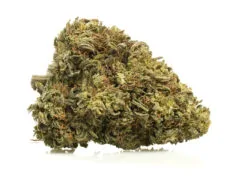
 Max CBDAMNESIA CBD BOOSTStarting from: 0,85€/g
Glasshouse | CBD<40%
Grams5 10 20 50 100 200 400 -
Max CBDAK47 CBD BOOSTStarting from: 1,45€/g
Indoor | CBD<47%
Grams5 10 20 50 100 200 -
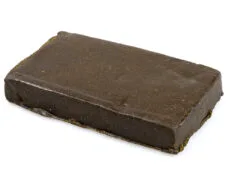
Max CBDCHARAS
CBD HASH | CBD<45%
Starting from:FLASH SALE -10%
0,90€0,80€/gGrams5 10 20 50 100 200 -
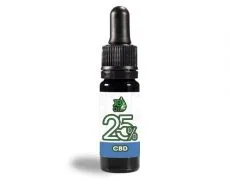
JB OIL 25%Starting from: 14,90€
CBD Oil 25%
Picture a label with a short list under a single heading. That list is the named components of the bottle, set down in order. Read on its own it is plain; read next to the certificate for the batch, it becomes something a reader can confirm, which is the whole reason the line is there.
What the CBD oil label ingredient line covers
A CBD oil label ingredient line covers the named components of the product: the hemp extract, the carrier oil it sits in, and any other declared parts. It is a label field, not a description of anything beyond the make-up. Each entry names a component, so the line stays on the contents of the bottle and leaves everything else to other parts of the page.
Kept at that level, the line is easy to use. It is deliberately not a broad ingredients guide and not a substitute for the category page; it is one field that names what is in the bottle. Read this way, the line becomes a short list to check rather than a topic to interpret, which is exactly what a label field should be.
Bottle wording
On the bottle, the wording is brief by design. The line names the extract and the carrier in plain terms, often with the indicative figure for the extract nearby. The point is not to be exhaustive but to be accurate: each word on the line should correspond to something a reader can later find on the document.
That correspondence is what gives the wording its value. A short, accurate line is worth more than a long, vague one, because every entry on it is a promise that can be checked. For a plain overview of the product these labels describe, our note on what CBD oil is sets out the basics.

Read also: CBD Oil Ingredients: What Is Usually Inside the Bottle
Product-page matching
A label field is only as good as the page around it. On a complete product page, the ingredient line on the bottle should match the components described in the listing and the rows recorded on the certificate. When all three agree, the page is internally consistent and the line can be trusted.
This is where the single field earns its keep. A reader can take one entry from the ingredient line, find it in the product description, and confirm it against the document, following the same name across all three. An ingredient line that lines up with the page and the certificate is doing its one job well.
A line that has to balance
The idea of a single line that must reconcile is an old one. In 1494, the mathematician Luca Pacioli set out double-entry bookkeeping in print. In that system every entry has to balance against the records, so a single line in the books could be trusted only if it matched the rest. A figure that did not reconcile was a figure to question.
An ingredient line works in the same plain spirit. It is one line that has to balance: against the product page, against the certificate, against the batch it describes. The bookkeeper trusted a line once it reconciled; a reader trusts an ingredient line once it matches the document, and in both cases the discipline is the point.
Read also: CBD Oil Lab Testing: What a Certificate Can Tell You
Batch documents
The document is where the line is confirmed. The certificate of analysis for the batch records the measured figures: the CBD figure stated as indicative, the THC reading checked against the 0.3 percent threshold, and the other compounds tested for the lot. The ingredient line names; the certificate measures.
This is why a complete page keeps the document within reach. A reader can read an entry on the ingredient line and open the certificate for the matching batch, so the named component on the bottle is backed by a measured row rather than taken on the label alone. An ingredient line is only as solid as the batch document standing behind it.
What not to infer from the line
It is worth being plain about the limits. A CBD oil label ingredient line names components and points to a document. It names only the parts of the bottle, and it carries no message beyond that make-up. Anything else sits entirely outside a label field.
So the line is read for exactly what it is: a short, named list, confirmed on paper. For the agricultural rules behind that framework, Regulation (EU) 2021/2115 sets out the common catalogue and the legal category.
The ingredient line on a Justbob page
On a CBD oil page, the ingredient line does a narrow job: it names the extract and the carrier, with the indicative figure nearby and the certificate kept inside the product page. Every commercialised product is analysed and each batch is checked, so each entry on the line can be traced from the bottle to the row that records it.
Every product sits inside the EU industrial hemp framework, with THC kept at or below the 0.3 percent threshold harmonised at European level, and is offered for technical, scientific and ornamental purposes only. Read this way, on a Justbob page a CBD oil label ingredient line is simply the named make-up of the bottle, balanced against a document.
Frequently asked questions about cbd oil label ingredient line
What is a CBD oil label ingredient line?
It is the single label field that names the components of a CBD oil: the hemp extract, the carrier oil it sits in, and any other declared parts, usually with the indicative figure for the extract nearby. Each entry names a component rather than anything beyond the make-up, so the line stays on the contents of the bottle. It is read against the product page and the certificate of analysis for the specific batch, so each named part can be confirmed rather than taken on the label alone.
Is this a broad ingredients guide?
No. A broad guide describes the range of things that can go into a CBD oil, while this page reads one label field: the single line where the components are named and matched to a document. It deliberately leaves the wider ingredient detail to its own note and stays on recognising the line, reading its wording, and confirming each entry against the batch certificate.
Why compare it with documents?
Because a label field is only as solid as the record behind it. The ingredient line names a component; the certificate of analysis measures the figures for the lot. Following an entry from the bottle to its row on the document is how a reader confirms the line rather than trusting the label on its own, which is the whole purpose of comparing the two.