
Modified on: 03/09/2026
Why Cannabis Leaves and Flowers Are Not the Same Thing
Leaves are the part of the cannabis plant that most people recognise first. A simple leaf shape is enough to bring an entire world of cannabis-related imagery to mind. However, when it comes to CBD product terminology, flowers are a much more specific category, associated with details such as buds, resin, trichomes, aroma profiles, CBD content, and batch documentation.
This is why the distinction between leaves and flowers matters. They may grow on the same plant, but they represent different plant parts and different product categories. The familiar cannabis leaf symbol has become so widespread that it can sometimes create confusion between the plant as a whole and the specific parts used in different products. A clearer mental picture is much simpler: leaf on one side, flower on the other, with each having its own characteristics and terminology.
The purpose is not to complicate the topic, but to help readers separate a well-known symbol from the actual product part. When exploring CBD flowers, the most relevant information comes from the flower description, product details, and batch documentation.
-
 Max CBDAMNESIA CBD BOOST
Glasshouse | CBD<40%
Starting from:FLASH SALE -10%
0,85 €0,75 €/gGrams5 10 20 50 100 200 400 -
Max CBDAK47 CBD BOOSTStarting from: 1,45 €/g
Indoor | CBD<47%
Grams5 10 20 50 100 200 -
Max CBDCHARASStarting from: 0,90 €/g
CBD HASH | CBD<45%
Grams5 10 20 50 100 200 -
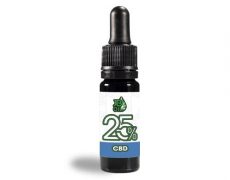
JB OIL 25%Starting from: 14,90 €
CBD Oil 25%
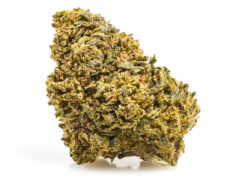
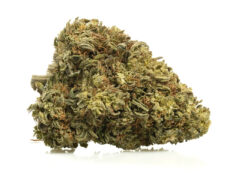
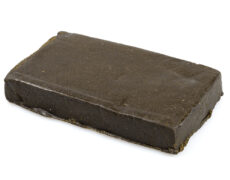
For CBD flowers, this means the product page should clearly describe the flower characteristics, batch identity, CBD content, and THC information connected to the specific lot. Transparent documentation helps connect the product description with the actual product being offered.
Cannabis leaves vs CBD flowers in plain botany
This comparison starts with a simple botanical distinction: leaves and flowers are two different parts of the cannabis plant. Cannabis leaves are the flat, recognisable structures most people associate with the plant. CBD flowers are the flowering tops, typically described in product pages through characteristics such as buds, visible resin, trichomes, aroma, and documented cannabinoid information. In simple terms, cannabis leaves vs CBD flowers is a distinction between plant identity and product identity. A leaf illustration may represent the plant as a whole, but a CBD flower description refers to a specific part of that plant with its own characteristics, terminology, and documentation.
The first visible difference is shape and structure. Cannabis leaves spread outward through their characteristic leaflets, creating the familiar silhouette seen in many symbols and images. CBD flowers, by contrast, are denser, more compact, and more textured structures, with details that belong specifically to the flowering part of the plant.
This distinction is important because online imagery often uses the leaf as a general symbol for cannabis. However, a symbol is not the same as a product description. A leaf is a leaf. A flower is a flower. Stems, seeds, trim, and buds each represent separate parts of the plant and should be described accordingly. Keeping this map clear helps readers understand CBD product information more accurately and avoid confusing the wider cannabis plant with the specific parts used in different product categories.
Read also: How to know if my weed is of good quality? – Justbob
Why cannabis leaves get all the attention
The cannabis leaf became a cultural shortcut. It is simple to draw, easy to reproduce, and instantly recognisable from a distance. This explains why it became the most common symbol associated with cannabis. However, a symbol is not the same thing as a product description.
When people encounter cannabis leaf imagery online, they may expect information about the plant as a whole. CBD flower pages, however, usually focus on a much more specific subject: the flower material itself, its visual characteristics, aroma profile, cannabinoid information, and laboratory documentation.
This is why leaf-focused language can sometimes create unnecessary confusion around CBD products. A CBD flower product is not defined by a generic leaf image. It is defined by the flower category, the product description, the certificate of analysis, and the batch information connected to that product.
The distinction is simple: the leaf can represent the plant, but the flower defines the product. Let the leaf remain the familiar symbol, while allowing the flower to provide the details that matter.

What cannabis leaves do on the plant
Cannabis leaves are an essential part of the plant’s structure. They contribute to the plant’s ability to manage light exposure, surface area, and overall botanical development. Fan leaves are the large, recognisable leaves that most people associate with cannabis, while smaller leaves may appear closer to the flowering areas.
However, leaves and flowers remain completely different plant parts. A cannabis leaf can provide information about the plant’s shape, variety characteristics, and visual appearance, but it cannot replace a flower description. A leaf does not have the same compact structure, bud formation, or resin-rich surface associated with CBD flowers.
Leaves may appear in images, alongside trimmed material, or within explanations of cannabis plant anatomy. In those contexts, they should simply be identified as leaves, not presented as flowers. The distinction may seem straightforward, but clear terminology is exactly what prevents confusion in product descriptions and educational content.
What CBD flowers are
CBD flowers are the flowering tops of the hemp plant described in CBD product pages. They are typically presented through characteristics such as buds, trichomes, resin, aroma notes, CBD content, THC information, and batch-specific laboratory analysis. This is the type of information that helps readers understand the actual product they are viewing.
The term CBD flower is therefore much more specific than a generic cannabis leaf image. It refers to a defined product category and naturally requires clear documentation. When a product page describes CBD flower, readers should be able to verify the product identity, batch information, and corresponding analysis. When exploring CBD flowers, the most important question is not whether a page displays a familiar cannabis symbol. The key question is whether the page provides a clear description of the flower product itself.
For wider EU context, the European Commission page on hemp provides information on the regulatory framework for industrial hemp and certified hemp varieties.
CBD flowers can also have many different visual characteristics. Some may appear compact and dense, while others may have a more open structure. Colours can vary from lighter to darker tones, with natural details such as orange or golden shades sometimes visible. These characteristics belong to flower description, not leaf description.
Resin, trichomes and product language
Resin and trichomes are key elements in CBD flower terminology. Trichomes are tiny structures found on the surface of the flower and are often discussed in relation to cannabinoids and terpenes. They are one of the reasons why close-up flower images provide more relevant information than generic cannabis leaf pictures on product pages.
This is also where aroma terminology belongs. Terpenes are often used to describe scent profiles such as earthy, woody, citrus, or floral notes. These descriptions refer to product characteristics and sensory details—they are not promises or predictions. A clear CBD flower page uses aroma language to describe the product’s profile while keeping laboratory information and documentation available.
CBD products can exist in many different formats, from flowers and oils to extracts, but each category needs its own terminology. CBD oil is not a leaf. CBD flower is not a seed. A cannabis leaf is not a batch report. The comparison may sound simple, but clear language often starts with these basic distinctions.
Hemp leaves vs flowers: a simple product-language check
Hemp leaves vs flowers is the same distinction expressed through broader plant terminology. Leaves belong to the field of plant anatomy, while flowers belong to the product language used when describing CBD flower products. They may appear close together in an image, but they should remain separate in the description.
The easiest way to understand the difference is to ask what the page is trying to explain. If the topic is CBD flowers, the main focus should be on buds, flower structure, trichomes, CBD content, and batch documentation. Leaves may provide context, but they are not the central product element.
If the topic is plant anatomy, leaves can naturally take the main role. If the topic is product identity, flowers should be the focus. Keeping this distinction clear helps readers compare the right things and understand exactly what a CBD product page is describing.
Why the distinction matters online
Online cannabis terminology is often built around shortcuts. Leaf icons are frequently used to represent the entire plant, while older or less precise content may place leaves, flowers, seeds, oils, and extracts together as if they were interchangeable. This can make product information more confusing than necessary.
For CBD flowers, keeping this distinction clear improves the reading experience. It explains why product pages focus on buds, flower structure, laboratory analysis, and batch information rather than relying only on a familiar cannabis symbol. It also helps prevent product pages from becoming broad discussions about cannabis instead of clear explanations of a specific product.
There is also an important lesson for product communication. A reliable shop should not depend only on visual shortcuts when describing a specific item. The clearer approach is simple: name the product accurately, show the relevant plant part, provide the documentation, and keep symbols separate from product identity.
How to read photos and labels together
- A good starting point is the image. Ask what the photo actually shows: a leaf, a flower, trim, a stem, or a combination of plant parts. Then compare it with the product name and description. If the product is labelled CBD flower, the page should provide information about the flower itself.
- The next step is checking the laboratory analysis. A certificate should be connected to the specific product and batch, with reported values such as CBD content, THC information, and cannabinoid profile linked to the item being described rather than presented as generic statements.
- Finally, consider whether the page separates visual symbols from product evidence. A leaf image may be decorative or represent the broader plant. A CBD flower product, however, requires information specific to that product category.
A simple visual check can help. If an image mainly shows flat leaf structures, it is likely representing leaves or general plant anatomy. If it shows dense, clustered, and textured structures with visible surface details, it is more likely focused on flowers or buds. Fan leaves may appear near flowers in a photograph, but the product name should always clarify what the main subject is. The same principle applies to captions and descriptions. “Cannabis leaf” should describe a leaf. “CBD flower” should describe a flower product. “Trim” should describe processed plant material. When these terms are mixed together, readers may start comparing different objects as if they were the same.
The differences are simple but important:
- Leaves explain plant structure.
- Flowers explain product identity.
- Batch reports explain measurable characteristics.
When these roles remain separate, product pages become clearer, more professional, and easier to understand.
Read also: CBD Oil Bottle Labels: How To Read The Panel | Justbob

Final thoughts
Cannabis leaves are one of the most recognisable symbols of the plant, but they are not the product. CBD flowers are the harvested buds, valued for their resin-rich trichomes, distinctive aromas and carefully documented quality. While leaves help identify the cannabis plant, the flowers are what truly define the CBD experience.
Understanding this difference makes it much easier to recognise quality products and avoid confusing generic cannabis imagery with the actual items available on the market.
At Justbob, you’ll find a carefully selected range of premium CBD products, from high-quality CBD flowers and traditional CBD hash to CBD extracts and many other hemp-derived products. Every batch is chosen for its quality, aroma and traceability, so you can shop with confidence and discover the CBD products that best suit your preferences.
🌿 Explore the Justbob collection today and discover premium CBD flowers, hash, extracts and much more.
Frequently asked questions about cannabis leaves and CBD flowers
Are cannabis leaves and CBD flowers the same?
No. Cannabis leaves are leaf structures, while CBD flowers are flowering tops described in CBD flower product pages through buds, resin, trichomes and batch documentation.
Why are CBD flowers different from leaves?
CBD flowers are different from leaves because product pages focus on flower structure, visible resin, CBD content, THC information and lab analysis. Leaves belong to broader plant anatomy.
Do product pages usually refer to leaves or flowers?
CBD flower product pages usually refer to flowers, buds, trichomes, aroma notes and batch reports. Leaves may appear as visual context, but they should not replace the product description.