

Modified on: 15/06/2026
Genetics words that describe, not rank
Hemp genetics has a vocabulary all its own, and a fair amount of it lands on product pages without much explanation. Words like variety, phenotype and backcross turn up in descriptions and certificates, often with no glossary attached. This Justbob guide gathers the genetics terms you are most likely to meet around hemp flower and explains them in plain language. It describes what each word points to, with no ranking of one plant over another.
-
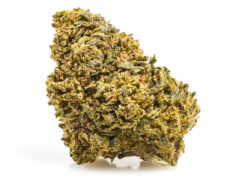
 Max CBDAMNESIA CBD BOOSTStarting from: 0,85€/g
Glasshouse | CBD<40%
Grams5 10 20 50 100 200 400 -
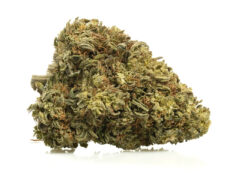
Max CBDAK47 CBD BOOSTStarting from: 1,45€/g
Indoor | CBD<47%
Grams5 10 20 50 100 200 -
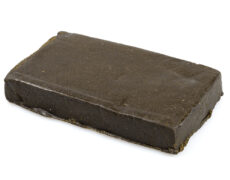
Max CBDCHARAS
CBD HASH | CBD<45%
Starting from:SUPER SALE -20%
0,90€0,70€/gGrams5 10 20 50 100 200 -
JB OIL 25%Starting from: 14,90€
CBD Oil 25%

Think of the page that follows as a set of name tags for plant language. Read it once and a genetics word in an article or on a label should feel like information rather than jargon.
Where genetics meets a hemp flower page
Genetics, in this context, simply means the inherited makeup of a hemp plant and the words used to describe it. A hemp flower listing leans on that vocabulary whenever it names a variety, mentions a parent line or describes a plant trait. The terms are descriptive labels, not a scoreboard.
A genetics glossary earns its place by staying neutral. It explains what a word means and where you might meet it, without turning a plant into a champion or a verdict. A definition should help you read a description, not sell you a promise.
Variety, cultivar and strain
Start with the names. Three words do most of the work, and they overlap more than they differ:
- Variety: a named type of hemp with consistent traits; for industrial hemp, the registered varieties are listed in the EU common catalogue.
- Cultivar: short for cultivated variety, the formal term for a variety kept stable in cultivation.
- Strain: an informal, everyday word for a variety; common in conversation, looser than cultivar on a document.
On a compliant hemp page, variety and cultivar carry the weight, because they connect to registration and records. Strain is the casual cousin, fine in passing but not the word a certificate uses.
Genotype, phenotype and what you actually see
Genotype and phenotype separate the plan from the result. The genotype is the genetic code a plant carries, its inherited blueprint. The phenotype is what that blueprint becomes once the plant grows, shaped by light, space and time. Two plants can share a genotype and still look a little different, because environment has the final say on the phenotype.
This is why a description talks about appearance while a document talks about identity. The look belongs to the phenotype; the registered name and the figures belong to the recorded variety. Keeping the two apart makes a listing far easier to read.
The words breeders use
Then there are the breeding words, offered here as vocabulary rather than instruction:
- Cross: the pairing of two parent plants to combine their traits.
- Hybrid: the offspring of two different varieties.
- Backcross: a cross back to a parent line to reinforce a trait.
- Inbred line: a variety stabilised over generations so its traits stay consistent.
- Clone: a plant grown from a cutting, genetically identical to its mother plant.
These are reading words, not a manual. They explain what a breeder means on a variety page, and our guide on Hemp Plant Anatomy: A Simple Botanical Guide shows the plant parts those terms describe, from roots to inflorescence.

Read also: Legal sativa hemp: everything you need to know about it
Where the terms came from
Some of this vocabulary has a clear birthday. The words genotype and phenotype were coined by the Danish botanist Wilhelm Johannsen in 1909, in his work on heredity, to separate a plant’s inherited code from its visible form. The same 1909 work gave biology the word gene. It was an act of clarifying the language, drawing a line between what a plant carries and what it shows.
That distinction still does steady work on a modern hemp page. When a 2026 listing names a registered variety and then describes how a flower looks, it is using Johannsen’s split between genotype and phenotype, more than a century after he named it.
Genetics on the label and the document
On a product page, the genetics vocabulary meets the paperwork. The label names the registered variety; the certificate of analysis carries the cannabinoid figures and the THC reading for that lot; the batch code ties the description to its record. Genetics words and product words line up here, variety by variety.
For the wider range these varieties appear in, the CBD flower category groups them by registered name, so the vocabulary on this page leads to something you can actually look at.

Read also: Legal male hemp plant: what are the uses?
Genetics terms on a Justbob page
On the Justbob catalog, every commercialised product is analysed and each batch is checked, with the documents kept inside the relevant product page. A reader who wants to confirm the registered variety or the cannabinoid breakdown for a specific lot can reach the certificate of analysis from the listing itself.
Every hemp flower variety offered sits inside the EU industrial hemp framework, grown by EU producers from registered hemp varieties, with THC kept at or below the 0.3 percent threshold harmonised at European level. Hemp flower is offered for technical, scientific and ornamental purposes only. The genetics glossary is a reading aid within that frame, not a description of how to grow or use anything.
What genetics does not promise
Genetics describes, and that is where its job ends. A variety name is not a grade, a hybrid label is not a guarantee, and a famous parent line is not a verdict. None of these words measure quality, and none of them stand in for the certificate.
So a careful reading keeps genetics in its lane: the vocabulary places a plant in a family and connects it to a record, while the figures and the certificate describe the specific lot. For official background on how hemp varieties are registered in Europe, the European Commission page on hemp sets out the EU variety framework in plain regulatory terms.
Frequently asked questions about hemp flower genetics glossary
What is a hemp flower genetics glossary?
A hemp flower genetics glossary is a curated set of genetics terms a reader is likely to meet around hemp flower, explained in plain language. It covers naming words (variety, cultivar, strain), the genotype and phenotype distinction, and breeding words such as cross, hybrid, backcross, inbred line and clone. The point is to make a variety page readable, with each word describing the plant rather than ranking it.
Does genetics prove product quality?
No. A genetics name describes a plant’s family and traits, not its quality and not a verdict. A well-known parent line or a hybrid label tells you about lineage, not about a result. The details that actually describe a specific lot are the registered variety on the label and the cannabinoid figures on the certificate of analysis, not the genetics term on its own.
Why check product documents?
Because the document is where description becomes record. The certificate of analysis carries the cannabinoid panel, the THC reading against the 0.3 percent threshold harmonised at European level, and the registered variety, while the batch code ties the listing to that paperwork. Matching the variety and batch on the label to the certificate confirms that the page and the plant belong together.